Have you ever wondered why jade is so expensive? Well, get ready to dive into the fascinating world of this precious stone and uncover the mysteries behind its high price tag. We’ll explore the factors that make jade so coveted and revered by collectors and jewelry enthusiasts alike. So, let’s embark on this journey together and discover the allure of jade’s extraordinary value.
It’s no secret that jade has been prized for centuries, but have you ever wondered why it’s considered one of the most valuable gemstones? We’ll unravel the secrets behind this coveted stone and delve into its rich history and cultural significance. From ancient civilizations to modern-day societies, jade has captivated hearts with its mesmerizing beauty and enduring appeal.
In this exploration of jade’s worth, we’ll uncover the factors that contribute to its high price. Whether we’re examining the rarity of certain varieties, evaluating the quality of the stone, or considering the expertise required to carve and shape it into stunning works of art, each aspect plays a role in the exceptional value of jade. So, get ready to discover the captivating world of jade and uncover why this gemstone commands such a hefty price.
Why is Jade So Expensive?
Jade is a stunning gemstone known for its vibrant color, unique patterns, and rich cultural significance. However, it is also notoriously expensive, often commanding high prices in the market. In this article, we will explore the reasons behind jade’s high price tag, its rarity, cultural value, and the craftsmanship involved in its production.
The Rarity of Jade
One of the primary factors contributing to the high cost of jade is its rarity. Jade is found in limited quantities in specific regions around the world, such as Myanmar, China, New Zealand, and Guatemala. The scarcity of this gemstone increases its value significantly. Mining for jade is a painstaking process that requires expertise and patience. Large-scale jade mines are scarce, and the mining process can be challenging, involving deep excavations, often in remote and inaccessible areas.
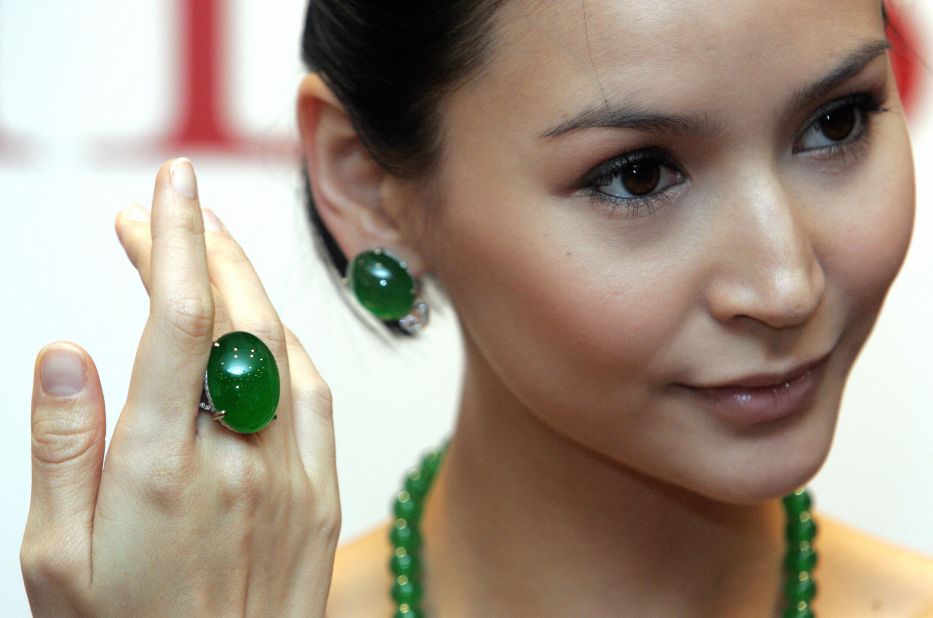
Furthermore, the quality of jade varies, with gem-grade jade being exceptionally rare. The perfect combination of color, translucency, and texture is highly sought after, making gem-grade jade even more valuable. Only a small percentage of jade mined meets these criteria, further driving up its price.
The rarity of jade also extends to its historical significance. Ancient cultures revered jade for its spiritual and healing properties, further elevating its desirability and price. Historical artifacts made from high-quality jade are considered priceless and are often found in museums and private collections.
Cultural Significance and Symbolism
Jade holds significant cultural and symbolic value in many societies. In Chinese culture, jade is associated with luck, strength, and prosperity. It is believed to bring harmony and balance to one’s life. The cultural importance of jade has resulted in a high demand for jade jewelry and art pieces in Chinese communities across the world.
In addition to its cultural significance, jade is also valued for its spiritual properties and healing abilities. It is believed to possess protective energies and promote emotional well-being. These beliefs and associations have contributed to the enduring popularity and high price of jade.
Given the deep-rooted cultural significance and symbolism associated with jade, it is no wonder that collectors and enthusiasts are willing to pay top dollar for exquisite pieces of this precious gemstone.
The Craftsmanship and Expertise
The craftsmanship involved in working with jade is a time-consuming and intricate process, adding to its value. Skilled artisans spend countless hours shaping, carving, and polishing jade to reveal its natural beauty. The expertise required to create delicate details and intricate designs on jade jewelry and sculptures is highly specialized and often passed down through generations.
Jade carving is a meticulous art form that demands precision and patience. Sculptors work with the natural characteristics of the stone, taking into consideration its color, texture, and translucency. The intricate designs and craftsmanship involved in creating jade pieces, especially those with intricate dragon motifs or auspicious symbols, contribute to their exclusivity and higher price.
Beyond carving, the lapidary process of transforming rough jade into polished gemstones also requires great skill. Lapidaries carefully cut and shape the raw jade, bringing out its best qualities. Throughout the cutting and polishing process, experts make precise judgments to maximize the stone’s beauty, resulting in a valuable and often expensive end product.
The Investment Value of Jade
Another reason for jade’s high price is its investment value. Over the years, jade has proved to be a stable and appreciating asset. Unlike currency or stocks, which can fluctuate in value, jade has shown consistent appreciation, making it an attractive investment option for those seeking to secure their wealth.
As the demand for jade continues to rise, driven by an increasing number of collectors and investors, the price is expected to further surge. This investment potential adds to the allure of jade and the willingness of buyers to pay a premium for this precious gemstone.
In conclusion, the high price of jade can be attributed to its rarity, cultural significance, craftsmanship, and investment value. The combination of these factors creates a demand that surpasses the available supply, driving up the price. Whether you are a collector, an investor, or simply captivated by its beauty, owning a piece of jade comes with a price tag that reflects its extraordinary qualities.
Jade and its Cultural Significance
Jade is a gemstone that holds immense cultural significance in various parts of the world. From ancient civilizations to modern societies, jade has been highly revered for its beauty, symbolism, and spiritual properties. In this section, we will delve into the cultural significance of jade in different cultures and explore its role in art, spirituality, and traditional practices.
Jade in Chinese Culture
In Chinese culture, jade is considered the “imperial gem” and symbolizes power, beauty, and immortality. It has been prized for centuries and holds a central role in Chinese art, history, and traditions. Jade is associated with Confucian virtues such as wisdom, compassion, and justice.
Emperors and nobles adorned themselves with jade ornaments, believing it would bring them good fortune and protect them from evil spirits. Jade has also been an integral part of Chinese rituals and ceremonies, symbolizing purity and spiritual enlightenment. Even today, jade continues to be highly valued in Chinese society, and it is often seen as a status symbol.
The Chinese have perfected the art of jade carving, creating intricate pieces showcasing the stone’s natural beauty. Jade sculptures, jewelry, and artifacts with dragon motifs, mythical creatures, and auspicious symbols are highly sought after and fetch high prices.
Jade in Mayan Culture
In ancient Mayan culture, jade was considered more valuable than gold. It held deep religious and cultural significance and was associated with divine powers and immortality. Jade artifacts, such as masks, jewelry, and figurines, were used in religious ceremonies and rituals.
Mayans believed that jade connected the living with the spiritual realm and had the ability to commune with the gods. The color green, commonly associated with jade, represented the rainforest, fertility, and life. Jade was reserved for the elite and rulers, symbolizing their power and connection to the divine. Today, jade continues to play a pivotal role in Mayan culture and is highly prized by collectors and enthusiasts.
Jade in Maori Culture
Jade, known as “pounamu” in the Maori language, holds immense cultural and spiritual significance to the indigenous people of New Zealand. Pounamu is considered a taonga (treasure) and is deeply ingrained in Maori traditions, art, and spirituality.
The Maori people believe that pounamu is imbued with the essence of their ancestors and the natural environment. It is seen as a connection to the land and a symbol of strength, protection, and prestige. Pounamu is traditionally used to create weapons, tools, jewelry, and ornaments with intricate designs that reflect the rich Maori culture.
Maori pounamu craftsmen are highly skilled and dedicated to passing on their knowledge and expertise from generation to generation. The carving and shaping of pounamu is seen as an act of respect and homage to the stone’s sacredness. Pounamu holds a special place in Maori culture and is often worn as a personal talisman or given as a significant gift.
Key Takeaways: Why is Jade So Expensive
- Jade is a precious gemstone highly valued for its beauty and cultural significance.
- Jade’s rarity and scarcity contribute to its high price. It is found in limited quantities and requires skilled craftsmanship to shape and polish.
- The demand for jade has increased over the years, especially in Asian markets, driving up its price.
- A high-quality jade stone with vibrant color, transparency, and minimal flaws is more valuable.
- Jade’s historical and cultural associations, such as its use in ancient Chinese art and belief in its spiritual properties, also add to its value.
Frequently Asked Questions
Here are some common questions about why jade is so expensive:
What factors contribute to the high price of jade?
Jade is considered precious and valuable due to several factors. First, its scarcity plays a significant role in determining its price. Jade is not easily found and requires extensive mining efforts. Additionally, the labor-intensive process of extracting, cutting, and polishing jade adds to its value. The craftsmanship and expertise required to transform raw jade into beautiful pieces also contribute to its high price.
Furthermore, the quality and rarity of jade greatly impact its value. Jade that exhibits vivid green hues, a translucent appearance, and high levels of clarity is highly sought after and commands a higher price. Additionally, the presence of other elements such as emerald, lavender, or imperial jadeite further increases its value. The combination of these factors contributes to the high price of jade.
Why is jade often considered a symbol of luxury and status?
Jade has a long-standing history of being associated with luxury and status in many cultures. Its rarity and the difficulty in obtaining high-quality jade make it an exclusive material. Throughout history, jade has been favored by royalty and the wealthy elite, further enhancing its association with prestige and high social standing.
Additionally, jade carries symbolic meanings that elevate its status. In many cultures, jade is believed to possess spiritual properties and bring luck, protection, and harmony. Its use in intricate and exquisite jewelry and ornate carvings also adds to the perception of jade as a luxury item. The combination of its scarcity, historical significance, and symbolic value solidifies jade’s position as a symbol of luxury and status.
Can jade prices vary based on geographical origin?
Yes, the geographical origin of jade can have a significant impact on its price. Different regions are known for producing jade with unique characteristics and qualities. For example, Burmese jade is highly prized for its deep green color and exceptional translucency, making it more valuable. Similarly, Chinese jade, particularly jadeite, is renowned for its vibrant colors and sought after by collectors.
Other factors, such as the reputation of the mining region and the historical significance associated with particular origins, can also influence the price. The desirability of jade from specific locations contributes to market demand and, subsequently, affects its price in the international market.
What is the difference between nephrite and jadeite?
Nephrite and jadeite are the two main types of jade. Nephrite is traditionally associated with Chinese jade and is known for its creamy white to dark green colors. It is less translucent than jadeite and is often used for sculptures and carvings due to its toughness. Jadeite, on the other hand, is considered the more valuable and rare type of jade. It comes in a broader range of colors, including vibrant green, lavender, and yellow, and is highly translucent. Jadeite is prized for its beauty and used in high-end jewelry and ornaments.
While both types of jade have their own unique qualities and aesthetic appeal, jadeite is generally considered more valuable and commands higher prices in the market due to its rarity and exquisite appearance.
Are treated or enhanced jade pieces less valuable?
The value of treated or enhanced jade pieces can vary depending on the specific treatment and the preferences of buyers. Some treatments, such as bleaching or dyeing, can enhance the color of jade, making it more visually appealing. However, these treatments may also lower the value of the jade in the eyes of collectors who prioritize natural and untreated specimens.
On the other hand, certain treatments that improve the durability and stability of jade, such as impregnation with polymers, can increase its value. These treatments enhance the stone’s resistance to scratches and fractures, making it more suitable for use in jewelry. Ultimately, the value of treated or enhanced jade pieces is subjective and depends on the preferences and priorities of individual buyers and collectors.
.jpg)
Summary
Jade is expensive because it is rare, beautiful, and holds cultural significance. It takes a long time to form, and it is difficult to extract and carve. Jade has been valued for thousands of years and is often associated with wealth and power. Due to its scarcity and demand, the price of jade can be very high.
Jade comes in different colors and qualities, with the highest quality being the most expensive. It is important to be cautious when buying jade, as there are many counterfeit or low-quality pieces on the market. It is always best to buy from reputable sources and consult with experts to ensure you are getting genuine jade. So if you ever get the chance to own a piece of jade, consider yourself lucky because it’s not only beautiful, but also a valuable treasure!