
Have you ever wondered why shrimp is so expensive? Well, let’s dive into the fascinating world of seafood economics to find out. It’s no secret that shrimp is a beloved delicacy around the world, but what makes it come with a hefty price tag? Join me as we unravel the mysteries behind this popular crustacean’s high cost.
When you walk into a seafood restaurant, you might be taken aback by the price of shrimp dishes. But fear not, because we are about to explore the factors that contribute to shrimp’s pricey reputation. From its unique farming process to the global demand and environmental impact, there’s a lot more to the story than meets the eye.
So, get ready to learn about the complexities of the shrimp industry and discover why your favorite shellfish doesn’t come cheap. From shrimp farms to fishing practices, we’ll uncover the reasons why shrimp commands such a high price in the market. Let’s delve into the world of shrimp production and economic forces to understand why it’s worth every penny.
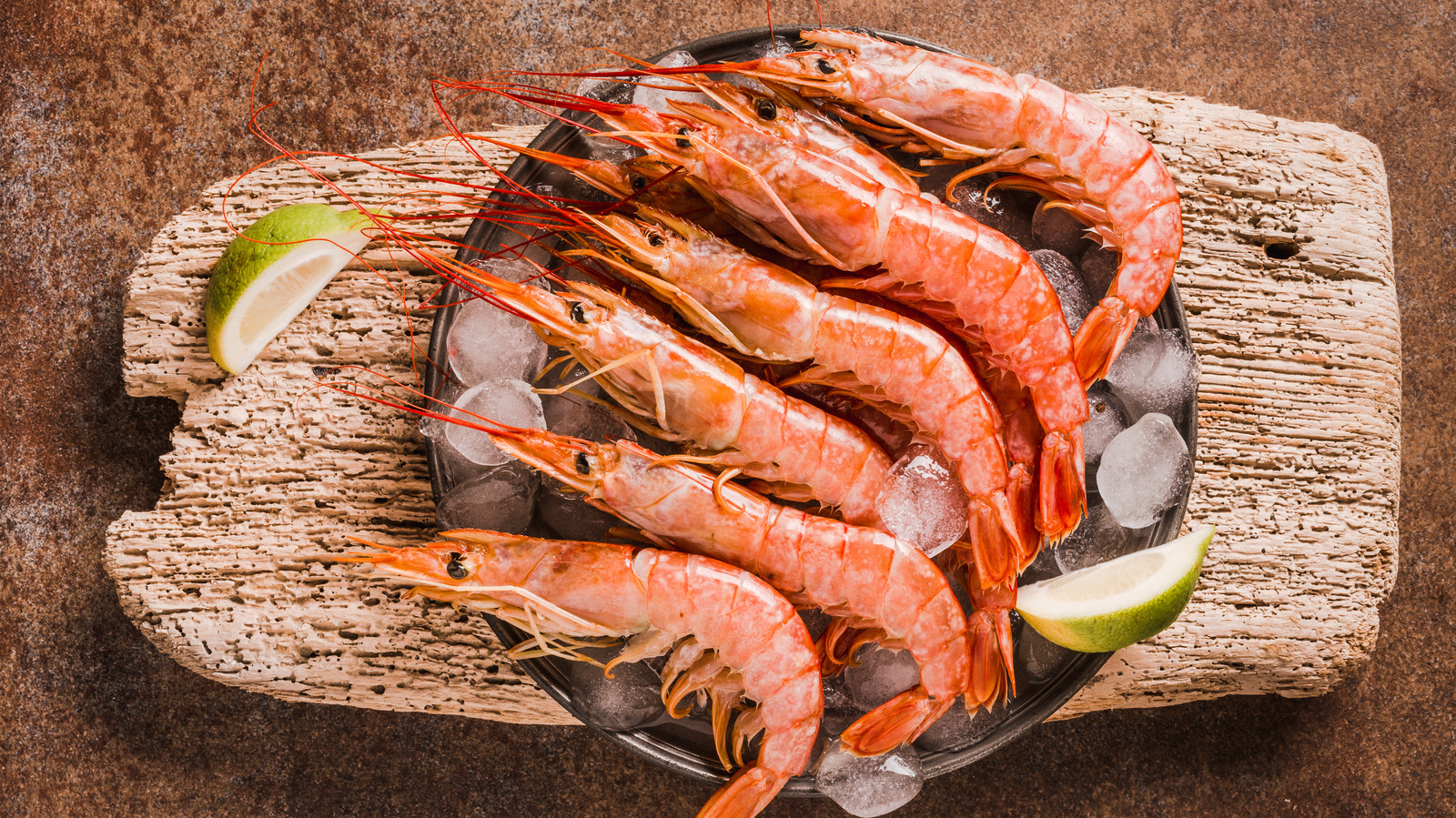
Why is Shrimp So Expensive?
In recent years, the price of shrimp has been steadily increasing, leaving many consumers wondering why this seafood delicacy comes with such a hefty price tag. From its production process to global demand, several factors contribute to the high cost of shrimp. In this article, we will delve into the reasons behind the expensive nature of shrimp and explore the complexities of the market that drive its price up.
The Shrimp Farming Industry and Costs
Shrimp farming is a complex and intensive process that requires significant investments. Shrimp farmers need to create the ideal habitat for these crustaceans, including constructing ponds with proper water filtration systems and maintaining optimal water conditions. Additionally, they must carefully monitor and manage the feeding and growth of the shrimp, which often involves using expensive feeds and supplements.
Furthermore, disease prevention and control present a significant challenge for shrimp farmers. Outbreaks of diseases, such as early mortality syndrome (EMS) and white spot syndrome virus (WSSV), can decimate shrimp populations, leading to financial losses for farmers. To mitigate these risks, farmers implement strict biosecurity measures, which require additional investments in infrastructure and technology.
The costs associated with shrimp farming, coupled with risks like disease outbreaks and environmental factors, contribute to the high expenses incurred by farmers. Consequently, these costs are reflected in the retail price of shrimp, making it a relatively expensive seafood option.
Global Demand and Supply
Shrimp is a highly sought-after seafood worldwide. Its versatility and appeal in various cuisines contribute to its popularity. However, the demand for shrimp often outpaces the supply, resulting in higher prices in the market.
Consider the growing middle class in countries like China, India, and Brazil, where rising incomes have led to increased consumption of seafood, including shrimp. With a larger population now able to afford shrimp, the demand has soared. Additionally, countries with well-established seafood cultures, such as the United States and Japan, continue to experience high demand for shrimp.
On the supply side, there are limitations to meeting this growing demand. Shrimp farming, as mentioned earlier, requires significant investments and careful management. While the industry has been expanding, it has struggled to keep up with the exponential growth in demand. Factors such as limited availability of suitable land, finite water resources, and potential environmental impacts restrict the industry’s ability to rapidly increase production.
As a result, the combination of strong global demand and limited supply further drives up the price of shrimp, making it a relatively expensive seafood choice.
The Cost of Shrimp Processing
The post-harvest processing of shrimp plays a vital role in the final price consumers pay. After being harvested from farms or caught in the wild, shrimp must undergo several processes, including cleaning, sorting, and packaging, before reaching consumers’ plates.
Shrimp processing involves significant labor requirements, often in regions where labor costs are high. Workers must skillfully remove the shells, devein the shrimp, and inspect them for quality. Additionally, the processing facilities must adhere to strict hygiene and safety standards, further adding to the operational costs.
Moreover, shrimp processing requires careful packaging and freezing to maintain the product’s quality and ensure it can reach consumers in different parts of the world. This involves using advanced freezing technologies and specialized packaging materials, which contribute to the overall cost.
Ultimately, the expenses incurred during the processing stage, along with factors like labor costs and quality control, contribute to the increased price of shrimp for consumers.
The Impact of Environmental Factors
Climate change and environmental factors have a significant impact on the availability and cost of shrimp. Shrimp farming relies heavily on a suitable climate and clean water conditions for success. Rising sea and water temperatures, increased pollution, and the destruction of coastal habitats all pose challenges to shrimp farming.
As environmental conditions become less ideal for shrimp, farmers may face reduced production rates and increased disease prevalence. This, in turn, affects the overall supply and drives up the prices in the market.
Additionally, the impact of climate change extends to wild shrimp populations. Changing ocean temperatures, ocean acidification, and habitat destruction can negatively affect wild shrimp populations, making them less abundant. When wild shrimp populations decline, the reliance on shrimp farming to meet the demand increases, further amplifying the costs associated with shrimp production.
Food Safety Regulations and Certification
High food safety standards and certification requirements also contribute to the cost of shrimp. Many countries and consumers have strict quality control measures, ensuring that the shrimp they consume is safe and sourced responsibly.
Shrimp farmers and processors must invest in implementing and maintaining these food safety standards to gain access to markets with discerning customers. This often involves additional expenses related to certification, laboratory testing, and compliance with regulations and standards.
While these food safety measures are crucial to protect consumers and the environment, they add to the overall cost of shrimp production and subsequently affect its market price.
Tips for Buying Shrimp Without Breaking the Bank
While shrimp may be relatively expensive, there are ways to enjoy this delectable seafood without splurging. Here are a few tips for buying shrimp without breaking the bank:
- Buy frozen shrimp: Frozen shrimp can be more affordable than fresh shrimp, and they retain their quality when properly stored.
- Shop for sales and promotions: Keep an eye out for discounts and promotions from grocery stores or seafood suppliers.
- Consider smaller sizes: Larger shrimp often come with a premium price. Opting for smaller sizes can be more cost-effective.
- Explore alternative shrimp species: While some varieties may be pricier, there are other shrimp species that offer similar taste and texture at a more affordable price.
- Buy in bulk: Purchasing larger quantities of shrimp can result in bulk discounts, reducing the overall cost per unit.
The Future Outlook for Shrimp Prices
As the demand for shrimp continues to rise and various factors impact its production, the future outlook for shrimp prices remains uncertain. Global trends in seafood consumption, climate change, technological advancements in farming practices, and evolving regulations will all play a role in shaping the future cost of shrimp.
While it is difficult to predict with certainty, consumers can expect the price of shrimp to remain relatively high due to the complex nature of its production, limited supply, and the increasing demand for this beloved seafood.
Key Takeaways – Why is Shrimp So Expensive?
- Shrimp is expensive because of its high demand and limited supply.
- Shrimp farming requires a lot of resources, including land, labor, and feed.
- Environmental factors like pollution and climate change can affect shrimp populations and increase prices.
- Shrimp are also affected by diseases and parasites, which can impact production and drive up costs.
- Transportation and processing costs contribute to the overall expense of shrimp.
Frequently Asked Questions
Ever wondered why shrimp comes with a hefty price tag? We’ve got you covered with answers to all your questions about why shrimp is so expensive.
1. What factors contribute to the high cost of shrimp?
Shrimp is expensive for several reasons. Firstly, the demand for shrimp is high, especially in the global market. This high demand drives up the prices. Additionally, the production and harvesting process can be labor-intensive and require specialized equipment, adding to the cost. Moreover, shrimp farms have to invest in maintaining the right conditions for shrimp to survive and grow, which includes controlling the quality of water, feeding them nutritious food, and ensuring suitable temperatures.
Furthermore, shrimp are vulnerable to diseases, which can affect their survival rates and production. To reduce the risk of diseases, farmers often have to use antibiotics and other medications, increasing the cost. Lastly, shrimp have a high feed conversion ratio, meaning they require a lot of food to grow. This feed expense adds to the overall cost of shrimp production.
2. How does the location of shrimp production impact its cost?
The location where shrimp is produced plays a significant role in its cost. Shrimp farming requires a suitable coastal environment, and not all areas are ideal for this purpose. Coastal regions with the right conditions for shrimp farming are limited, creating competition for available land. As a result, the cost of land for shrimp farms can be high.
Moreover, the distance between the shrimp farms and the consumers’ region can add transportation costs to the overall price. If the farms are located far away from the consumer market, the shrimp has to be transported over long distances, requiring extra resources and increasing the price for the end consumer.
3. Are there any environmental factors that affect the cost of shrimp?
Yes, there are environmental factors that impact the cost of shrimp production. One such factor is natural disasters like hurricanes or strong storms, which can cause significant damage to shrimp farms, leading to loss of crops and increased costs for rebuilding and recovery. Climate change can also affect shrimp production as it alters the ocean temperatures and pH levels, impacting the survival and growth of shrimp.
Furthermore, pollution and contamination of water bodies can have detrimental effects on shrimp farms. Chemical spills, agricultural runoff, and untreated wastewater can contaminate the shrimp habitat, affecting their health and overall production. These environmental challenges require additional resources and investments to maintain suitable conditions for shrimp, ultimately contributing to the higher cost of shrimp.
4. Does the size and species of shrimp affect its price?
Yes, the size and species of shrimp can influence its price. Larger shrimp, such as jumbo or colossal shrimp, tend to be pricier than smaller ones due to their higher weight and meat content. Additionally, certain species of shrimp, like the highly sought-after tiger shrimp or the unique freshwater prawns, can command a higher price in the market due to their taste, texture, and availability.
The rarity of some shrimp species also contributes to their higher cost. For example, some species may be difficult to catch or farm, leading to limited supply and increased prices. The gourmet appeal of certain species and their exclusivity can also drive up their price in the market.
5. Can fluctuations in the global shrimp market affect its cost?
Absolutely, the global shrimp market is subject to fluctuations that can impact the cost of shrimp. Factors such as changes in supply and demand, trade agreements, and geopolitical events can affect the market dynamics. For example, an increase in global demand or a decrease in supply due to environmental factors or disease outbreaks can lead to higher prices for shrimp. Similarly, changes in trade policies or tariffs can influence the cost of imported shrimp.
Moreover, currency exchange rates can also play a role. If the currency in the country of shrimp production strengthens against the currency of the importing country, it can make the shrimp more expensive for buyers. These market fluctuations highlight the volatile nature of the shrimp industry and its impact on pricing.
Why Does This Shrimp Cost More Than A Car?
Summary
Shrimp is expensive for a few reasons. First, it takes a lot of resources and energy to catch or farm shrimp. Second, the demand for shrimp has been increasing around the world. Lastly, factors like weather conditions and disease outbreaks can affect shrimp supply and drive up prices. So, all these factors contribute to the high cost of shrimp.
To make shrimp more affordable, we can look for alternative sources of protein or try different types of seafood. It’s also important to support sustainable fishing practices and aquaculture methods to ensure a steady supply of shrimp in the future. So while shrimp may be expensive, there are ways we can enjoy it responsibly and explore other tasty options as well.