If you've ever searched why are apple headphones so expensive the moment you saw that $249 price tag, you're not alone. It's one of the most Googled questions in consumer electronics, and the honest answer is more nuanced than "you're paying for the logo."
Apple's pricing reflects a mix of proprietary engineering, ecosystem integration, and calculated brand positioning. AirPods Pro 2, as of 2026, carry FDA clearance as an over-the-counter hearing aid, a capability no other mass-market earbud has matched. Whether that justifies the cost depends on what you actually need from a pair of earbuds.
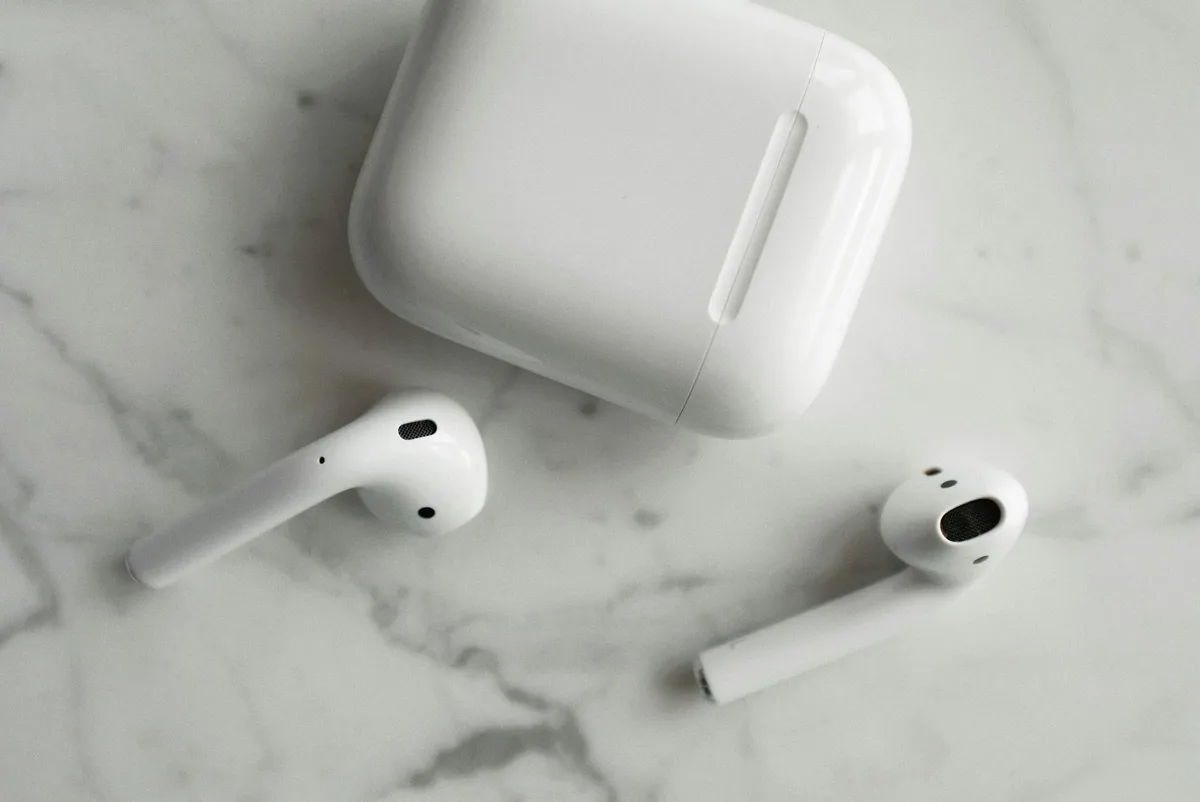
Image source: Pexels / ready made (Pexels License)
The Real Question Behind the Price Tag
The frustration isn't just about money. It's about uncertainty: does the extra $100 or $200 over a cheaper alternative buy something real, or is it just the Apple brand machine at work?
Consumer sentiment consistently splits into two camps: people who switched from non-Apple earbuds and found the integration genuinely transformative, and people who expected better audio for a premium price and came away quietly disappointed. Both reactions are valid, and both point to the same truth. Apple headphones aren't priced on audio performance alone.
Apple's hardware gross margins, per publicly filed annual reports, run between 36 and 38 percent. That's well above the consumer electronics industry norm, and headphones follow the same model. To understand what you're paying for, you have to look at the chip, the software, and the supply chain behind the product.
What You're Actually Paying For: The Apple Pricing Model Explained
![]()
Image source: Pexels / KIEU TRUONG (Pexels License)
Apple's pricing rests on one core principle: design the chip, write the software, build the hardware, and sell the entire experience as a tightly integrated package. That vertical integration carries real development cost, and it produces advantages that third-party manufacturers simply can't replicate at scale.
Custom Silicon: The H1 and H2 Chips
The Apple H1 chip, launched in 2019, was the first custom audio processor designed specifically for wireless earbuds at consumer scale. The H2, which debuted in AirPods Pro 2, roughly doubled the processing throughput, enabling real-time Adaptive Audio and Personalized Spatial Audio that older chipsets can't support.
Custom silicon isn't cheap to develop. Apple designs these chips in-house and manufactures them through TSMC using advanced process nodes. Manufacturer specifications confirm the H2 processes audio feedback loops at a significantly higher refresh rate than the H1, which is what makes ANC feel stable in changing noise environments and transparency mode sound natural rather than artificially processed.
Third-party earbud makers source off-the-shelf silicon from Qualcomm or MediaTek. That puts a ceiling on how tightly the firmware can integrate with any specific operating system, and no amount of software tuning closes that gap entirely.
Vertical Integration: When Apple Controls Everything
Apple writes iOS, designs the H2 chip, and manages AirPods production through its supply chain partners. The team whose specifications shaped Bluetooth pairing behavior in iOS is working against the same requirements the AirPods firmware is built to meet. That coordination produces the three-second pairing tap and the automatic device switching that Apple users cite as their top reason for staying in the ecosystem.
Samsung's Galaxy Buds come close within One UI, but they still run on Android's underlying Bluetooth stack, which introduces more variables. Closing that gap would require years of parallel investment in both chip design and operating system development, which is precisely why no one has done it.
R&D, Patents, and the Cost of "First"
Apple holds hundreds of patents in wireless audio, covering ANC algorithms, spatial audio processing, and in-ear pressure equalization. Per Apple's annual reports, the company allocates tens of billions to R&D each year, with audio products absorbing an increasing share since the original AirPods launched in 2016.
FDA regulatory clearance for the AirPods Pro 2 hearing aid feature required clinical validation studies, regulatory submissions, and ongoing software maintenance. That work is built into the $249 price whether you use the hearing features or not.
AirPods Lineup Breakdown: Which Model Costs What and Why
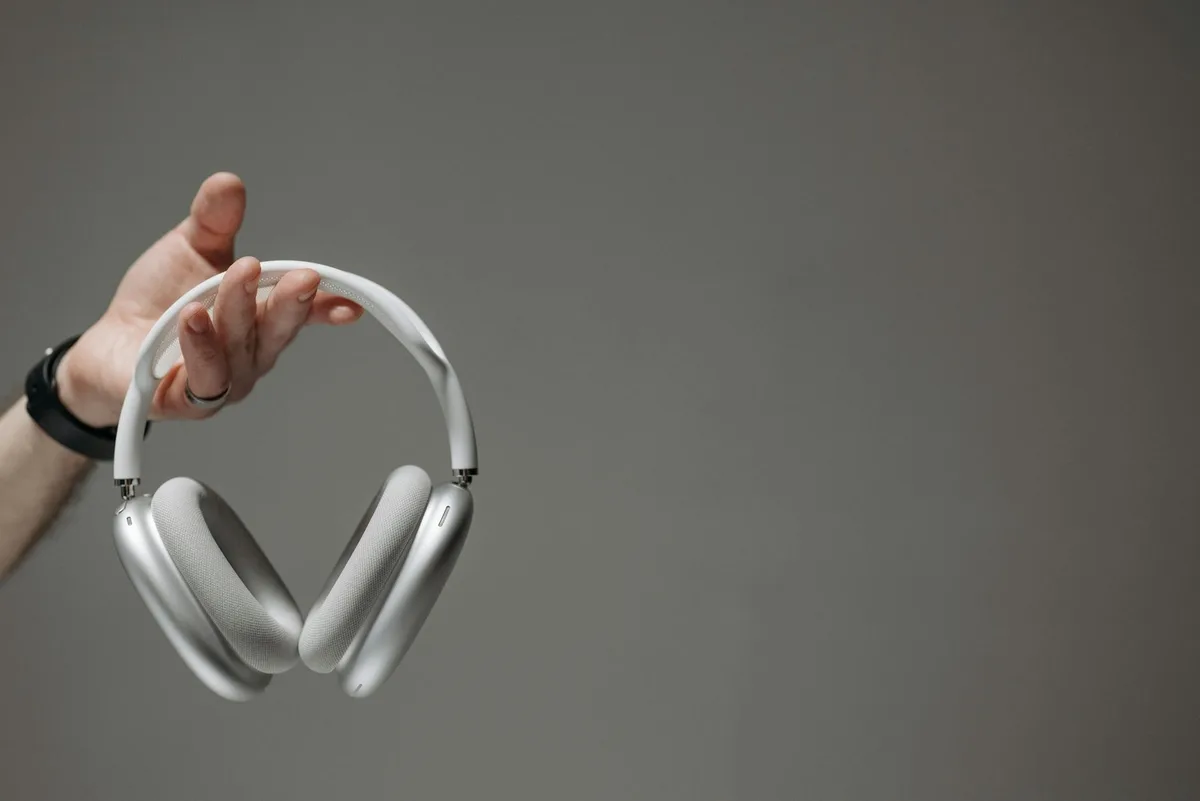
Image source: Pexels / Pavel Danilyuk (Pexels License)
Not every AirPod is priced the same, and the gaps between tiers aren't arbitrary. Each model targets a different buyer, and the value case shifts significantly depending on which one you're comparing.
| Model | MSRP | ANC | Hearing Aid | Build |
|---|---|---|---|---|
| AirPods (3rd Gen) | $169 | No | No | IPX4 plastic |
| AirPods Pro (2nd Gen) | $249 | Yes (H2 chip) | FDA-cleared | IPX4, silicone tips |
| AirPods Max | $549 | Yes | No | Anodized aluminum |
AirPods 3rd Gen: $169
The standard AirPods offer spatial audio, hands-free Siri, MagSafe charging, and automatic Apple device switching. They're a reasonable entry point for light iPhone users upgrading from wired earphones.
The problem is what sits $80 above them. AirPods Pro 2 add ANC, the H2 chip, FDA-cleared hearing features, and significantly better call microphone isolation for that difference. Aggregate reviewer consensus consistently recommends stretching to the Pro 2 unless cost is a hard limit.
AirPods Pro 2nd Gen: $249
This is the model where Apple's premium is most defensible. The Pro 2 combine the H2 chip, real-world-proven ANC, Adaptive Transparency, head-tracked spatial audio, and FDA-cleared hearing aid capability in a compact, IP-rated package.
Verified buyer feedback places the Pro 2 at or above Sony's WF-1000XM5 for ANC performance in actual commuting environments: subway trains, open-plan offices, and airport terminals. The hearing aid layer adds compelling value for users with mild to moderate hearing loss, who would otherwise spend $1,500 or more on clinical devices.
AirPods Max: $549
The AirPods Max are where pricing becomes genuinely difficult to justify for most buyers. At $549, they face direct competition from the Sony WH-1000XM5 ($349) and the Bose QuietComfort Ultra Headphones ($379), both of which offer comparable or superior raw audio at substantially lower prices.
What the Max offer that competitors don't: premium anodized aluminum construction, a knitted mesh headband, over-ear spatial audio with head tracking, and full Apple ecosystem integration. For frequent long-haul travelers committed to the Apple ecosystem, that's a coherent value proposition. For most other buyers, the price gap is hard to defend.
Where Apple Genuinely Earns the Premium
There are specific areas where Apple's technology is class-leading and the premium is earned. These are the places where the extra spend makes sense.
ANC Performance in the Real World
The AirPods Pro 2 achieve up to 29 dB of noise attenuation per Apple's published technical specifications, placing them among the strongest performers in the true wireless earbud category. Editorial analysis of aggregate user reviews consistently rates the Pro 2 at the top of the TWS ANC tier alongside the Sony WF-1000XM5.
The H2 chip's faster processing cycle means ANC adapts more quickly to shifting environments, such as walking from a quiet corridor into a loud café. That responsiveness separates it from mid-range ANC earbuds, which can feel hollow or laggy in rapidly changing conditions.
Seamless Device Switching No Competitor Matches
Automatic device switching is, by a clear margin, the feature Apple users most consistently cite as their reason for staying in the ecosystem. When you move from iPhone to MacBook to iPad, your AirPods follow automatically, with no manual Bluetooth toggling required.
Sony's multipoint Bluetooth lets earbuds hold connections to two devices simultaneously, which works well for non-Apple users. But it doesn't integrate with device-level behaviors like auto-pausing when you remove one earbud, or resuming the correct audio source when you put it back. Apple's iCloud-linked switching is seamless in a way that standard Bluetooth multipoint doesn't replicate.
Spatial Audio and Dolby Atmos Integration
Apple's Spatial Audio, paired with Dolby Atmos content on Apple TV+, Disney+, or Netflix, creates a convincing surround-sound effect from compact earbuds. Dynamic head tracking adjusts the sound field as your head moves, so audio feels anchored in physical space rather than sitting inside your head.
Manufacturer specifications confirm the H2 chip processes head-tracking data at up to 20,000 times per second. That speed is what makes the effect smooth and responsive, and it's one of the clearest demonstrations of what proprietary silicon enables at this price point.
The AirPods Pro 2 Hearing Aid Feature (FDA-Cleared)
In 2024, the FDA cleared AirPods Pro 2 as an over-the-counter hearing aid for adults with mild to moderate hearing loss. Through a clinical-grade audiogram generated in iOS, the earbuds amplify specific frequency ranges matched to your personal hearing profile.
Prescription hearing aids for this severity of loss typically cost between $1,500 and $4,000. The AirPods Pro 2 don't replace professional audiological care, but they provide meaningful hearing amplification for people who couldn't afford clinical alternatives. The regulatory process and clinical validation behind that clearance represent genuine development investment built into the $249 price.
Where You're Just Paying for the Apple Logo
Apple earns its premium in some areas and not others. In the following categories, comparable or cheaper alternatives outperform AirPods on the spec sheet.
Audio Codec Limitations: No LDAC, No aptX
Bluetooth audio quality depends heavily on the codec used to transmit audio wirelessly. Apple uses AAC as its highest-quality Bluetooth codec, which handles music well under normal conditions. Sony and many Android-ecosystem earbuds support LDAC, a codec that transmits roughly three times more audio data than AAC, enabling near-lossless wireless audio.
AirPods support neither LDAC nor aptX. If you're streaming lossless tracks from Apple Music or Tidal, the Bluetooth connection re-encodes that audio to AAC before it reaches your ears. For most listeners the difference is inaudible in daily use, but at a premium price point, it's a real technical limitation that Sony's earbuds at comparable prices don't share.
No Bluetooth Multipoint for Non-Apple Devices
Bluetooth multipoint lets earbuds hold active connections to two devices at once, so you can take a call from your laptop and switch to your phone without touching a Bluetooth menu. Most earbuds in the $150 to $300 range now include this as standard.
AirPods don't support true Bluetooth multipoint outside the Apple ecosystem. If you use a Windows PC or Android phone alongside your iPhone, the automatic switching that makes them feel effortless on Apple devices simply doesn't apply. You'll be reconnecting manually, which is a frustrating experience at this price.
Battery Replacement Costs After Warranty
AirPods use sealed lithium-ion batteries with no user-replaceable option. Apple charges $69 to $99 per earbud for out-of-warranty battery service, typically replacing the unit outright rather than repairing the original. Over a four-year ownership period, that adds meaningfully to the total cost, a point worth understanding before you buy.
AirPods vs. the Competition: Side-by-Side

Image source: Pexels / AI25.Studio Studio (Pexels License)
The most useful comparison isn't AirPods against some generic "cheaper option." It's AirPods Pro 2 against the Sony WF-1000XM5 and Bose QuietComfort Ultra Earbuds, the two products most directly competing at the same price point with comparable feature sets.
| Feature | AirPods Pro 2 ($249) | Sony WF-1000XM5 ($279) | Bose QC Ultra Earbuds ($299) |
|---|---|---|---|
| ANC Quality | Top tier | Top tier | Top tier |
| Bluetooth Codec | AAC | LDAC, AAC | AAC, aptX |
| Multipoint | Apple ecosystem only | Yes (2 devices) | Yes (2 devices) |
| Hearing Aid | FDA-cleared | No | No |
| Device Switching | Seamless (Apple only) | Manual | Manual |
| Battery (ANC on) | 6 hrs | 8 hrs | 6 hrs |
| IP Rating | IPX4 | IPX4 | IPX4 |
| Platform Fit | iPhone/Apple | Android + iPhone | Android + iPhone |
The Sony WF-1000XM5 costs $30 more than AirPods Pro 2 and delivers LDAC support, true multipoint, and longer per-charge battery life. For Android users or people primarily on Windows, it's the stronger buy.
The Bose QuietComfort Ultra Earbuds are preferred by a significant share of verified buyers for comfort over long listening sessions and a warm, fatigue-free sound signature. They lack Apple integration but perform consistently across any device.
AirPods Pro 2 win clearly in one scenario: you're an iPhone user who also works on a Mac or uses an iPad daily. In that setup, the automatic switching and iOS integration add genuine, everyday convenience that neither Sony nor Bose can replicate.
The over-ear picture is starker.
| Feature | AirPods Max ($549) | Sony WH-1000XM5 ($349) |
|---|---|---|
| ANC | Excellent | Excellent |
| Codec | AAC | LDAC, aptX |
| Battery (ANC on) | 20 hrs | 30 hrs |
| Bluetooth Multipoint | No | Yes |
| Weight | 385g | 250g |
| Build | Aluminum, mesh headband | Plastic, synthetic leather |
| Price | $549 | $349 |
The Sony WH-1000XM5 delivers LDAC, ten more hours of battery life, lower weight, and Bluetooth multipoint at $200 less. For buyers outside the Apple ecosystem, the rational choice is clear.
Who Should Actually Buy Apple Headphones
Apple headphones make the most sense for a specific type of buyer. If you check most of the following, the price is likely justified.
Buy AirPods if you:
- Own two or more Apple devices and switch between them daily
- Commute in noisy environments and want reliable, consistent ANC
- Have mild to moderate hearing loss and want an FDA-cleared alternative to clinical hearing aids (Pro 2 only)
- Stream Dolby Atmos content regularly on Apple TV+, Disney+, or Netflix
- Use hands-free Siri and Find My as genuine daily-use features
- Prioritize effortless pairing and switching over audio codec specs
The AirPods Pro 2 are a particularly strong fit for iPhone-first commuters. Aggregate commuter reviews consistently cite ANC and Adaptive Transparency as features used on every journey, not just occasionally on long trips.
The AirPods Max are harder to recommend broadly. They suit frequent flyers and those fully committed to the Apple ecosystem who want premium physical build quality. For most other buyers, the premium doesn't justify itself.
Who Should Skip Apple and Buy What Instead
The Apple premium doesn't make sense for every buyer. In several clear situations, a competitor serves you better for less money.
Skip AirPods if you:
- Use an Android phone as your primary device
- Connect earbuds regularly to a Windows PC alongside any phone
- Want LDAC or aptX for near-lossless wireless audio
- Need true Bluetooth multipoint for switching between non-Apple devices
- Buy earbuds primarily for gym or sport use and need a secure, wingtip-stabilized fit
- Are buying for someone likely to lose or damage them within the first year
For Android users, the Sony WF-1000XM5 or Samsung Galaxy Buds3 Pro are the closest equivalents to AirPods Pro 2. Galaxy Buds3 Pro integrates with Samsung One UI the same way AirPods integrate with iOS, including automatic switching and Samsung-specific audio features, and costs less.
For budget-conscious buyers who still want ANC, the Anker Soundcore Liberty 4 Pro (around $100) offers competitive noise cancellation at less than half the AirPods Pro 2 price. You lose ecosystem integration and hearing health features, but for straightforward daily listening, the raw performance gap is smaller than the price gap suggests.
The Ecosystem Lock-In Tax: What It Really Costs You Long-Term
The Apple ecosystem is genuinely convenient, but it's worth being honest about what staying in it costs across a four or five year device cycle.
Every feature that makes AirPods feel effortless on an iPhone, including automatic switching, hands-free Siri, Adaptive Audio, spatial audio head tracking, and hearing aid functionality, works only within Apple's ecosystem. Switch to Android and you lose all of it. Your AirPods become a standard Bluetooth earbud that pairs manually and offers no smart features beyond basic play and pause.
That's not a trivial consideration when you're spending $249 or more. You're buying earbuds tied to a platform. The value of that investment scales directly with how long you stay on Apple hardware.
The lock-in also compounds through service habits. AirPods Max owners tend to add AppleCare+, charge via MagSafe, and replace lost buds through Apple directly. Each decision reinforces the ecosystem. That's not a design flaw.
It's an intentional strategy, and it's worth going in with clear expectations rather than discovering it when you eventually want to switch.
Costs, Warranty, and the Full Ownership Picture
The sticker price is only part of what AirPods actually cost. The full picture over three years looks different once you factor in warranty coverage, battery degradation, and service costs.
| Cost Item | AirPods Pro 2 | Sony WF-1000XM5 |
|---|---|---|
| Purchase price | $249 | $279 |
| Optional protection plan | $29 (AppleCare+) | Varies by retailer |
| Single earbud replacement (out of warranty) | $69 to $99 | $50 to $80 |
| Battery degradation | Significant (year 2 to 3) | Moderate |
| Firmware updates | Free, iOS-linked | Free |
| Estimated 3-year total (one replacement) | $350 to $380 | $330 to $360 |
AppleCare+ for AirPods costs $29 and covers two incidents of accidental damage per plan year, each subject to a service fee. Given that a single out-of-warranty earbud replacement runs $69 to $99, coverage makes sense for daily commuters or gym users. Low-risk desk listeners can reasonably skip it.
Sony's out-of-warranty repair costs are broadly comparable per bud. The main practical difference is that Sony's service goes through its own repair network rather than Apple retail, which can mean longer turnaround times depending on your location.
Over three years of regular use, AirPods Pro 2 and their main competitors land at roughly similar total ownership costs. The upfront price difference is smaller than it looks across a realistic product lifespan. Where they differ is in what that money buys you, and whether the ecosystem those features live inside actually fits your life.
FAQs
Why do AirPods cost more than generic earbuds?
Generic earbuds use off-the-shelf chipsets, commodity drivers, and minimal software integration. AirPods bundle Apple's proprietary H1 or H2 chip, custom firmware built against iOS, and features like automatic device switching, Find My network support, and, on Pro 2, FDA-cleared hearing aid functionality. The price reflects the full hardware-software stack, not just the physical components.
Do AirPods actually sound better than cheaper earbuds?
Not inherently. At the same price tier, earbuds from Sony and Sennheiser often match or outperform AirPods on raw audio quality, particularly for listeners who care about codec fidelity and frequency response. AirPods Pro 2 sound very good, but the feature set and ecosystem integration are the real differentiators, not the sound signature itself.
Can AirPods work properly with an Android phone?
AirPods connect to Android as a standard Bluetooth device, but you lose virtually every smart feature: no automatic switching, no Siri, no Adaptive Audio, no Find My, and no hearing health tools. The ANC on Pro 2 still functions, and basic transparency mode toggling works via long press. For Android users, they're functional but expensive earbuds with no ecosystem advantage.
Why are AirPods Max priced at $549?
The AirPods Max price reflects premium materials (anodized aluminum ear cups, knitted mesh headband), Apple's proprietary over-ear ANC implementation, spatial audio with head tracking, and full iCloud-linked ecosystem integration. That said, the $200 gap over the Sony WH-1000XM5 is difficult to justify on audio or ANC performance alone. They're priced as a luxury ecosystem product, not a straightforwardly competitive audio device.
Is AppleCare+ worth buying for AirPods?
For daily commuters or gym users, yes. AppleCare+ costs $29 and covers two accidental damage incidents per plan year, each with a service fee. Given that a single out-of-warranty earbud replacement runs $69 to $99, the coverage math favors buyers with meaningful loss or damage risk. Low-risk users can skip it without much downside.
How long do AirPods last before the battery degrades?
Most users report noticeable capacity loss within two to three years of daily use. Lithium-ion cells degrade with each charge cycle, and AirPods' sealed design means no user-replaceable battery. Apple's out-of-warranty battery service costs $69 to $99 per earbud and typically results in a replacement unit rather than a repair. Planning for one service event over a four-year lifespan is a realistic expectation for regular users.
The Honest Verdict: Are Apple Headphones Worth the Price?
The premium is justified for one specific buyer: someone using AirPods daily across multiple Apple devices, commuting in noisy environments, or managing mild to moderate hearing loss. For that person, the automatic switching, Adaptive Audio, top-tier ANC, and Pro 2's hearing aid capability are genuine daily-use features that no competitor currently packages together at this price.
For everyone else, the value case weakens quickly. Android users, Windows-primary users, audiophiles who want LDAC, and buyers who need true Bluetooth multipoint will get more for their money from Sony, Bose, or Samsung at the same or lower prices.
Across the lineup, AirPods Pro 2 at $249 are the only model where the Apple premium is consistently defensible for a wide range of iPhone users. The standard AirPods 3rd gen sit awkwardly close in price to the Pro 2 without matching the feature upgrade. The AirPods Max suit a narrow buyer profile.
One question settles it: do you use two or more Apple devices every day and spend meaningful time in noisy environments? If yes, AirPods Pro 2 are a strong buy. If no, the same money goes further with a competitor who doesn't charge for ecosystem features you won't use.