Why Are Cashews So Expensive?
Have you ever wondered why cashews are so expensive? Well, you’re in the right place! Today, we’re going to dive into the fascinating world of cashews and uncover the reasons behind their hefty price tag. So, let’s get cracking and discover what makes these little nuts worth their weight in gold!
Cashews are not your average nut. They are unique in both taste and production process. But what exactly sets them apart from other nuts? And why do they often come with a higher price point? Get ready to find out as we explore the intriguing factors behind the cost of cashews.
From the tropical regions where they grow to the intricate and labor-intensive methods required to harvest and process them, there’s a lot more to cashews than meets the eye. So, let’s roll up our sleeves and embark on a nutty adventure to understand why cashews are considered a luxury in the world of nuts. Get ready for some surprising insights and a whole lot of deliciousness!
Cashews are often priced higher compared to other nuts, and there are a few reasons behind their expense. First, cashew trees are delicate and require specific conditions to grow, limiting the regions where they can be cultivated. Second, the process of harvesting and extracting the cashew nuts from their shells is labor-intensive. Lastly, the demand for cashews has risen significantly, leading to increased prices. Despite their cost, cashews are popular for their creamy texture and rich flavor.
Why Are Cashews So Expensive: Unveiling the Costly Nut
When it comes to nuts, cashews are often regarded as a luxurious treat. Their distinct flavor, creamy texture, and versatility make them a favorite among food enthusiasts and chefs. However, if you’ve ever wondered why cashews come with a hefty price tag, you’re not alone. In this article, we will delve into the factors that contribute to the high cost of cashews, providing you with a deeper understanding of why these delicious nuts are worth their weight in gold.
How Cashews are Harvested: A Laborious Process
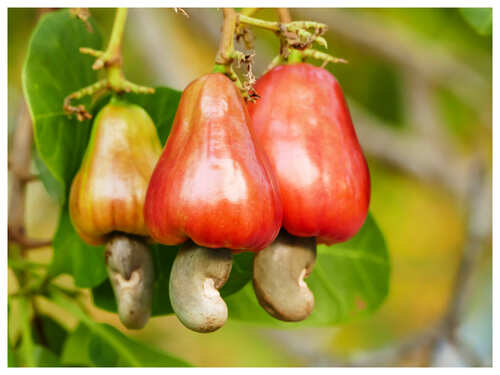
The journey of cashews from tree to table is a fascinating one. It all starts in tropical regions like Brazil, India, Vietnam, and Africa, where the cashew tree thrives. The cashew nut grows directly on the tree’s branches, attached to a pear-shaped fruit known as the cashew apple. Harvesting cashews is a labor-intensive process that involves skilled workers manually plucking the cashew apples from the trees, carefully removing the delicate nuts, and allowing them to dry in the sun for several days.
Once dried, the cashew nuts are thoroughly inspected to ensure their quality. Each nut undergoes rigorous sorting and grading procedures to separate the premium-grade cashews from those of lower quality. The labor-intensive nature of cashew harvesting and processing significantly adds to the overall cost of these nuts, explaining why they are pricey compared to other varieties.
The Yield and Rarity of Cashew Trees: A Limited Supply
Cashew trees are remarkable, but they have unique characteristics that contribute to their limited supply and higher prices. Firstly, cashew trees take several years to reach maturity and produce a significant yield of nuts. Typically, it takes around three to five years for a cashew tree to bear fruit, and even then, it only produces a limited number of cashews per tree.
Furthermore, cashew trees are susceptible to various diseases and pests, making them relatively fragile compared to other nut trees. This vulnerability requires careful management and maintenance, including the use of pesticides, to protect the trees and ensure a healthy crop. The combination of the long maturation period, limited yield, and the necessary protective measures increases the cost of cultivating cashews, making them more expensive for consumers.
Market Demand and Global Trade: Factors Driving Prices
The demand for cashews has skyrocketed in recent years, fueled by their popularity as a versatile ingredient and a healthy snack. This surge in demand, coupled with the limited supply, puts upward pressure on cashew prices. As a globally traded commodity, the prices of cashews are also influenced by various factors related to international trade.
Fluctuating currency exchange rates, trade policies, transportation costs, and export regulations all play a role in shaping the price of cashews. Additionally, the increasing awareness of fair trade practices and sustainable sourcing has led to a higher demand for ethically produced cashews. These factors, combined with the inherent challenges in producing cashews, contribute to the premium price tag associated with these delectable nuts.
The Health Benefits of Cashews: Worth the Investment
While cashews may be expensive, they offer a plethora of health benefits that make them a worthwhile splurge. These kidney-shaped nuts are rich in healthy fats, vitamins, minerals, and antioxidants. They are known to promote heart health, support brain function, aid in weight management, and contribute to overall well-being.
So, next time you reach for a handful of cashews, remember the laborious harvest, the rarity of the cashew trees, and the complex global trade that all contribute to their price. Enjoy these decadent nuts not only for their indulgent taste but also for the nutritional value they offer. Cashews are truly a remarkable and valuable addition to any culinary masterpiece.
Exploring the Culinary Applications of Cashews: From Sweet to Savory
Beyond their high price tag, cashews have gained popularity in the culinary world for their versatility and ability to add depth and creaminess to a wide range of dishes. Here are some creative ways to incorporate cashews into your cooking:
1. Creamy Cashew Sauces and Dressings
Soaked and blended cashews can be transformed into a rich and creamy base for sauces and dressings. Cashew cream makes a delicious dairy-free alternative in recipes, adding a luxurious texture to dishes like vegan Alfredo sauce or homemade salad dressings.
Tip: Soak cashews in water for at least four hours or overnight to soften them before blending.
2. Nutty Cashew Butter
Just like peanuts, cashews can be transformed into a delectable nut butter. Roasted cashews blended to a smooth consistency create a spread that is perfect on toast, in smoothies, or as a dip for fresh fruit.
Tip: Add a pinch of sea salt or a drizzle of honey to elevate the flavor of homemade cashew butter.
3. Cashew Crusted Delights
Giving a flavorful twist to your favorite dishes is as easy as coating proteins or vegetables with a cashew crust. Crushed cashews mixed with herbs and spices create a crunchy, nutty coating that adds extra flavor and texture to baked or sautéed dishes.
Tip: Experiment with different seasonings to create unique combinations that complement your chosen ingredients.
The Future of Cashew Pricing: Trends and Predictions
As the world’s population continues to grow and global demand for cashews remains strong, the future of cashew pricing will depend on various factors. Sustainable farming practices, advancements in agricultural technology, and the availability of cashew tree varieties that are more disease-resistant will contribute to stabilizing prices.
However, factors such as climatic changes, supply chain disruptions, and the ever-changing landscape of global trade could continue to influence cashew prices. Additionally, increased consumer awareness and the demand for ethically sourced cashews may drive up prices, as fair trade and sustainable production practices often come at a higher cost.
Ultimately, the cost of cashews will be shaped by a delicate balance between supply and demand, the economic forces of global trade, and the efforts of farmers and producers to maintain high-quality standards. While the future remains uncertain, it is clear that the allure of cashews will persist, and their unique flavor and nutritional benefits will always make them a sought-after indulgence.
Overcoming The Cost: Cashew Alternatives and Budget-Friendly Tips
If the high price of cashews leaves you searching for alternatives or budget-friendly options, fear not! There are substitute nuts and clever ways to enjoy the essence of cashews without breaking the bank. Consider the following:
1. Almonds: The Versatile Substitute
Almonds are a popular and more affordable nut that can serve as a substitute for cashews in many recipes. They offer a similar nutty flavor and a satisfying crunch, making them suitable for a range of dishes, from salads to baked goods.

Similar Posts